
From hollowed-out logs to the modern lorry, this is how the way we move goods and people has changed — and how the UK ended up moving the overwhelming majority of its freight by road.
The Evolution Of Transport Over Time
- Prehistory – todayBoatHollowed-out logs to plank-built ships, then steam, then diesel.
- 1294 – 1800sHorse & CarriagePrivate carriages become the stagecoach, then the Hackney cab.
- 1817 – 1885BicycleFrom the pedal-less Draisine to Starley’s chain-driven safety bicycle.
- 1769 – 1913CarA steam gun-tractor, the first crash, then Ford’s assembly line.
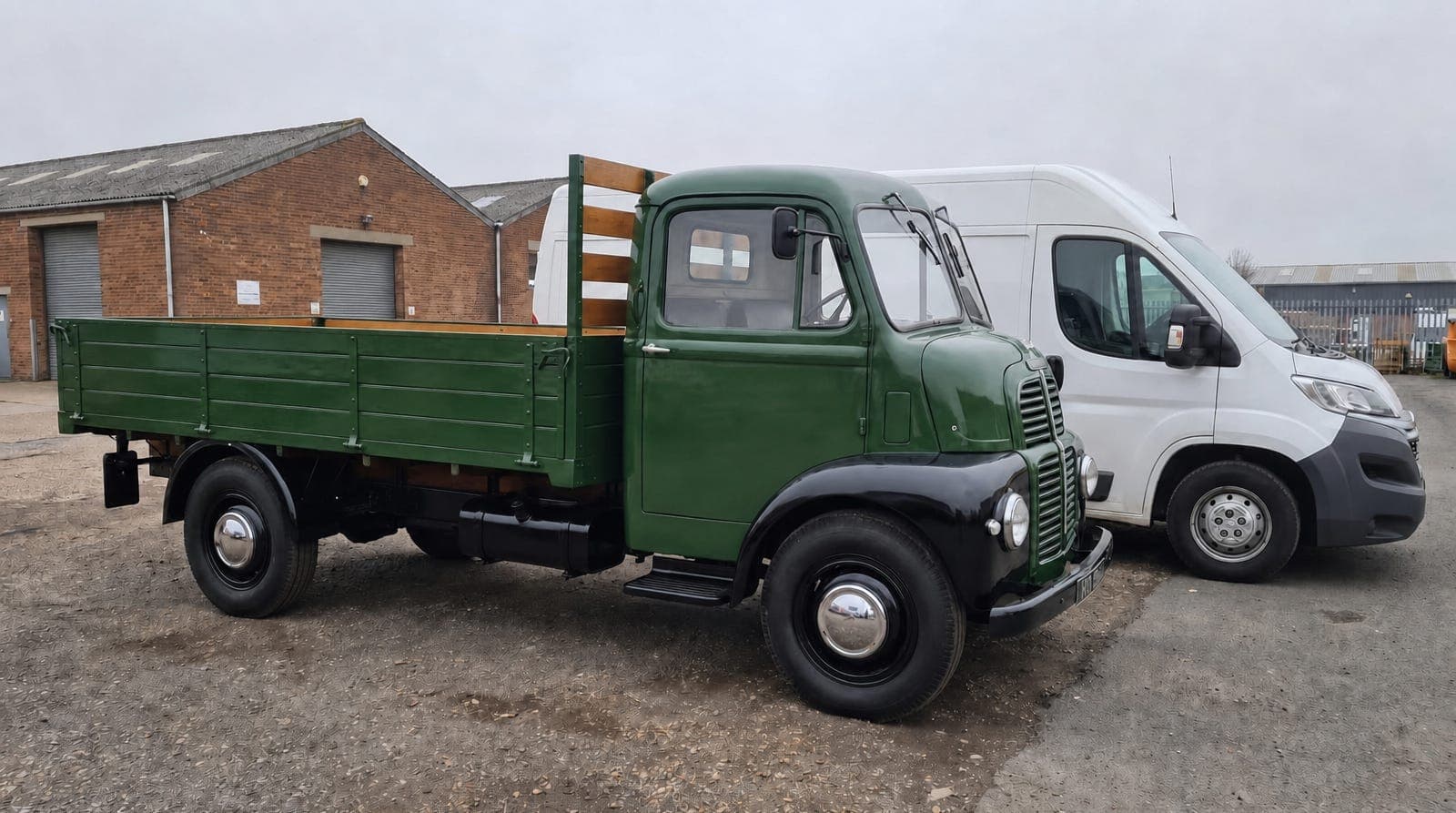
- 1896 – todayLorry300,000 vehicles by the 1920s; 85% of everything we buy today.
Infographic by TLX Group and New Frontiers Marketing.
1Boat
In early history, people travelled the water in hollowed-out logs, and during the Neolithic period people learned to build boats using planks.
The earliest seafaring boats to be discovered in the UK are three vessels from the Middle Bronze Age, which were found in Ferriby, Yorkshire in 1937, and the Dover Bronze Age Boat, which was found in 1992. Archaeologists think these ships were propelled by paddling, as no sails were found.
During the Roman invasion, ships were modified to make them lower and sturdier. In the UK, many major ports were established around this time, such as Dover, London and Fishbourne.
Between 1962 and 1970, the earliest examples of river barges were discovered. Dating from the Roman period and recovered from the River Thames, they were termed “the Blackfriars shipwrecks”, and would have carried building supplies, like stone for example.
In 1812, construction began on the first commercial steamboat, which was called The Comet, and by 1840 steamboats were being introduced to inland waterways.
With many steamships being lost to WWII, and with diesel-driven engines becoming a viable alternative in the meantime, diesel engines became the main power source for boats from this point on — with most large vessels continuing to use gas or diesel engines to this day.
2Horse & Carriage
Carriages were used in Europe as early as 1294, and in England from 1555, but they weren’t available to the British general public until the seventeenth century, and the first carriages were crude and uncomfortable.
By the mid-1400s, builders began experimenting with suspension using leather straps and braces. Eventually, springs were introduced to make the ride more comfortable.
In the seventeenth century, significant improvements were made. The stagecoach, a carriage drawn by four to eight horses, was developed and made publicly available.
This was followed by the Hackney carriage — carriages passed down from wealthy families to the public, acting almost as a “taxi service” in towns and cities.
3Bicycle
The bicycle evolved through the work of several inventors. An early forerunner, the Celerifere, had two wheels and a seat, but no steering or pedals.
Karl Von Drais was the inventor of the first recognisable bicycle in 1817, but it didn’t have a chain, brakes or pedals. Instead, the user propelled the bike by pushing off with their feet.
In the 1860s, several French inventors including Pierre Lallement, Pierre Michaux and Ernest Michaux introduced pedals to the design. However, this caused the bike to shake, giving it the title of the “Boneshaker”.
This led to the development of the Penny-farthing, where one wheel was made bigger than the other to encourage stability. However, the design was too dangerous for most to ride, on account of its height.
In 1885, John Starley developed the “safety bicycle”, with equal-sized wheels and a chain. This formed the basis for the modern bicycle.
4Car
The earliest predecessor of the car was steam-propelled. In 1769, Nicholas Joseph Cugnot created a three-wheeled, steam-powered tractor designed for pulling army cannons.
Unfortunately, he was also the inventor of the car crash. He drove his vehicle through a brick wall at three miles an hour, committing the first ever motoring offence — and being put in prison for it.
There were several other steam-powered vehicles, but they were heavy, unwieldy, unreliable and often dangerous. In 1834, engineer John Scott Russell had to close his steam coach business after one exploded, killing four passengers.
The car as we know it today was based on the ideas of several engineers, but in 1913 Henry Ford was the first to simplify the design and make it affordable through mass-production on an assembly line. He called his creation the “Model T”. By 1923, one of his factories, the River Rouge, was making 2 million cars per year.
5Lorry
Following the invention of the internal combustion engine by Karl Benz, Gottlieb Daimler invented the first lorry in 1896.
Rapid growth meant that by the mid-1920s, there were over 300,000 vans and lorries on Britain’s roads.
By the 1960s, lorries were cheaper and more widely available, with over 600,000 of them being present in the UK, and most goods now being transported by road.
Today, the freight and haulage industry in the UK is worth £124 billion, transports 85% of everything we buy, and is the fifth largest employment sector in the country.