
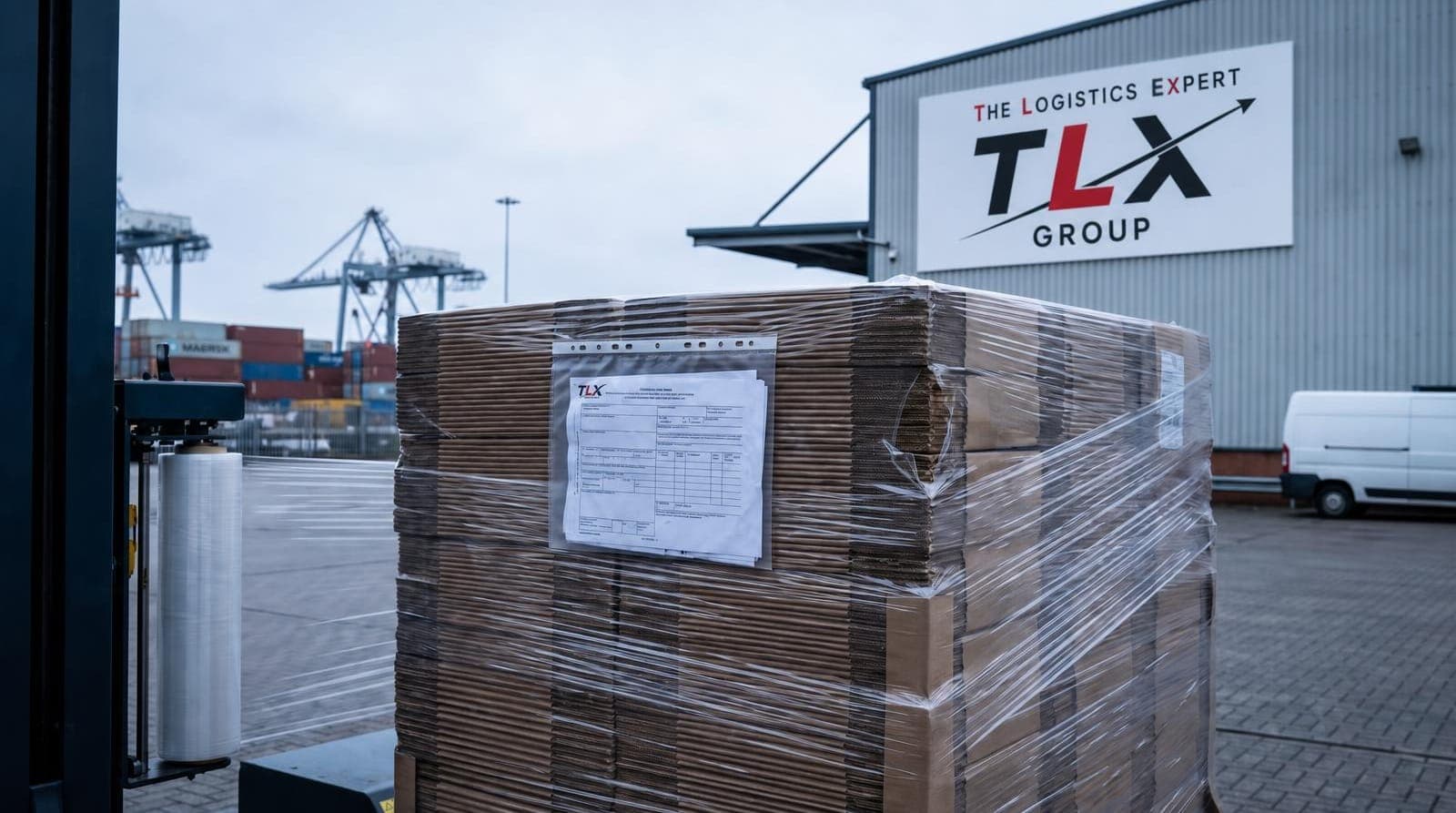
Ever since the UK voted to leave the EU in June 2016, British businesses have had to deal with a great deal of uncertainty. Even as Brexit drew closer, there was little indication of what form it would take, or how trade would be affected.
A withdrawal agreement kept the UK within the EU’s single market until the end of December 2020, and a post-Brexit trade deal was struck late that month. That led to new regulations on the goods that leave the UK, the goods that come in, and the paperwork required to move a shipment.
Those regulations caused difficulties for many businesses and presented couriers with obstacles when entering or leaving continental Europe. Below are five of the main challenges businesses, couriers and consumers now face.
5 Ways Brexit Has Impacted British Imports And Exports To The EU
- PaperworkIncreased BureaucracyFull customs documentation now required on every EU movement.
- TimeDelaysNew border checks and three more documents per shipment.
- CostHigher PricesSeparate UK supply chains, plus carrier surcharges both ways.
- SupplyShortagesSome EU retailers stopped shipping to the UK altogether.
- BordersNorthern Ireland Border IssuesFrictionless with the EU, new checks with Great Britain.
Infographic by TLX Group and New Frontiers Marketing.
Increased Bureaucracy
Customs documentation is now required as a result of Brexit. Just some of the information which must be provided includes:
- Which means of transport (lorry, ferry, train and so on) will be used to take the goods from A to B
- The address of who sent the goods, and who will receive them
- Which ports the goods will pass through when they leave the UK and enter the EU, or vice versa
- The quantity of the goods within each shipment, and their weight
- A description of the cargo, and the packaging used to secure it
- Details of the owner of the courier vehicle, and the vehicle’s nationality
- For some goods, details of all the countries the trailer will pass through before reaching its destination
This is the biggest imposition of red tape that businesses have had to deal with in 50 yearsWilliam Bain, British Retail Consortium
Delays
Delays in the supply chain are expected, as there are new checks on imported and exported goods, including rules-of-origin checks and food inspections.
Meanwhile, additional paperwork also needs to be filled in and checked: an export document, an import document and a commercial invoice, among others.
What has been serially misunderstood by various parts of government is the scale of the complexity for people on the ground dealing with the paperworkDuncan Buchanan, Road Haulage Association
Higher Prices
The extra time needed to complete paperwork, check goods and comply with regulations makes imports more expensive in both the EU and the UK.
Retailers who are used to moving their stock freely around the EU customs union have had to create separate supply chains for the UK, which costs them more money. Many companies also face higher costs and increased bureaucracy in order to comply with UK tax authorities.
At the same time, international shipping companies have introduced additional charges on shipments between the UK and the EU. Bpost, DHL and UPS have taken similar measures.
To reflect the incremental cost of customs clearance, we are increasing transportation rates for shipments from UK to EU, and EU to UKTNT
Shortages
A substantial share of the food consumed in the UK is imported from the EU, and delays in the supply chain could cause shortages.
There had been some stockpiling by UK retailers in preparation for Brexit, but those extra supplies do not last.
Some EU specialist online retailers said they would stop supplying the UK entirely because of tax changes which came into force on 1 January 2021. The Netherlands-based bicycle parts firm Dutch Bike Bits, for example, said it would ship to every country in the world except the UK.
We are forced by British policy to stop dealing with British customersDutch Bike Bits
Northern Ireland Border Issues
Northern Ireland remains in the EU single market for goods and, unlike the rest of the UK, continues to enjoy frictionless trade with the EU, with no checks of any kind taking place on the land border with the Republic of Ireland.
However, there is new bureaucracy within the UK, between Great Britain and Northern Ireland. The EU has strict rules on products of animal origin such as meat, milk, fish and eggs, and any of these items leaving Great Britain and entering Northern Ireland — and therefore also entering the EU’s single market — must pass through a border control post where paperwork is checked and a proportion of goods physically inspected.
All shipments from Great Britain to Northern Ireland also need a safety and security declaration, and a customs declaration through an IT system traders had not used before.
There is still not sufficient clarity from the Government on what is going to be involved in terms of regulatory and customs processStephen Farry, MP for North Down
Despite all these issues, TLX Group transports goods in and out of the EU daily. If you need to make deliveries to the EU but are having trouble following the rules, call 01604 698237.